Interior design is an unregulated industry in Australia. Anyone can call themselves an interior designer. Knowing how to identify genuine expertise, check credentials and spot red flags will protect your project and your budget.
Unlike architecture or engineering, interior design in Australia has no mandatory licensing or registration requirement. This means that the title “interior designer” can be claimed by anyone — from a graduate of a three-year degree with years of professional experience to someone who completed an online course last month.
This is not a reason to be anxious about hiring a designer. The majority of working interior designers in Australia are skilled, experienced and professional. But it does mean that the due diligence is on you — and knowing what to look for makes that process straightforward.
What Credentials Actually Matter?
Formal Qualification
Look for a designer with a formal qualification in interior design or interior architecture — typically a Bachelor degree, Advanced Diploma or equivalent from a recognised institution. A qualification does not guarantee quality but it establishes a foundation of technical knowledge that is genuinely important in a built environment context.
DIA or DECA Membership
The Design Institute of Australia (DIA) and the Decoration and Design Association (DECA) are the two primary professional bodies for interior designers in Australia. Membership is voluntary but signals a commitment to professional standards and ongoing education. It also provides a mechanism for client complaints — an important safeguard.
Demonstrated Portfolio
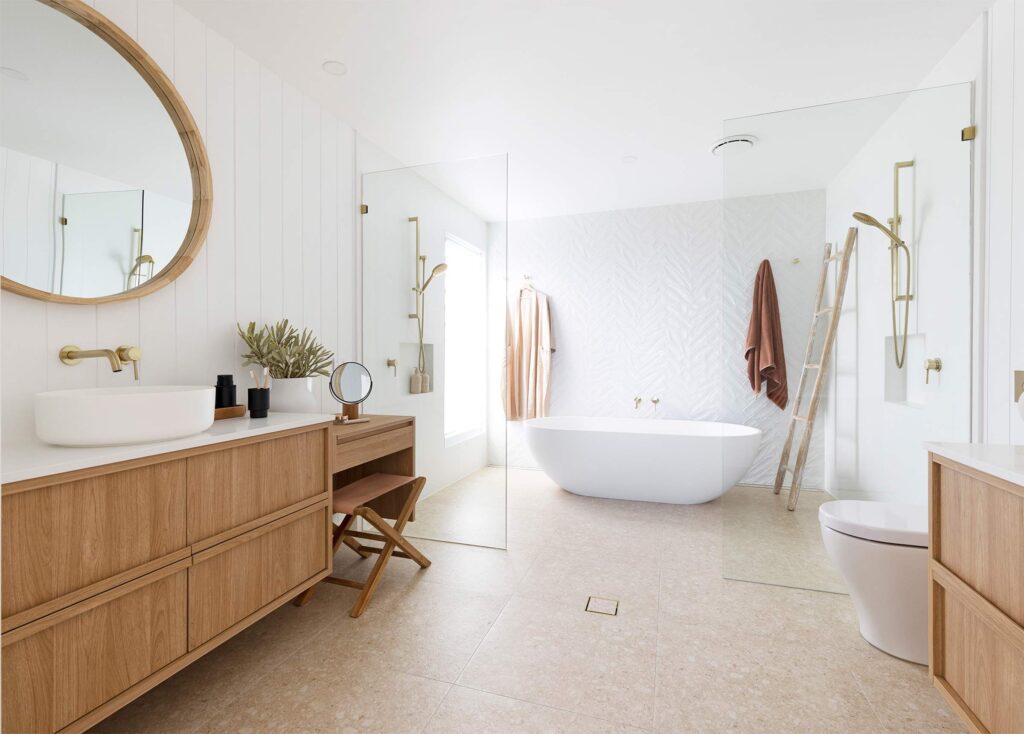
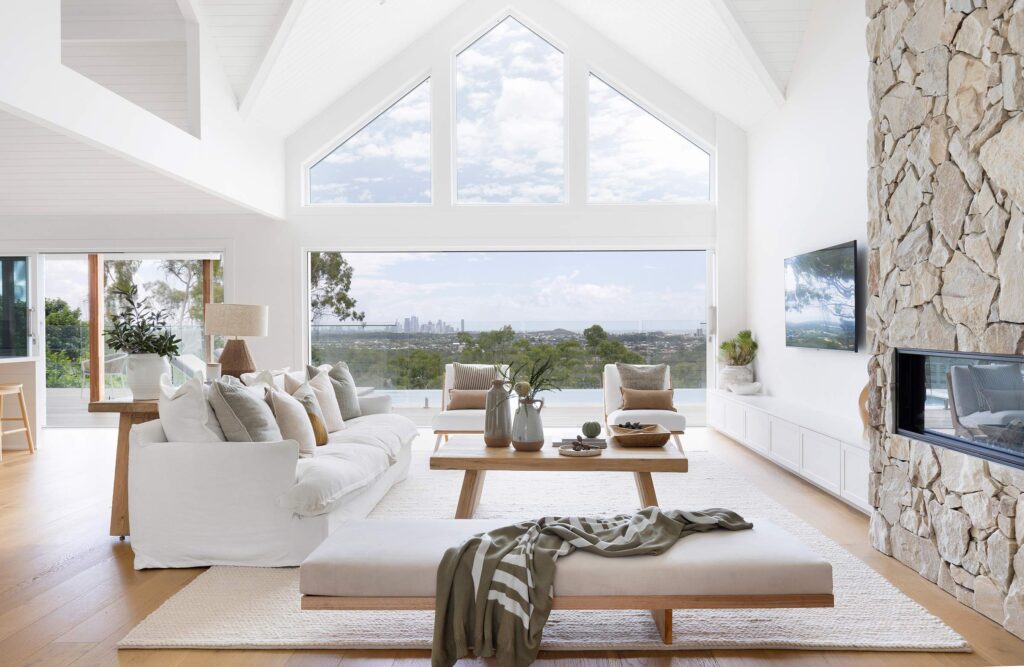
A portfolio is the most direct evidence of capability. Look for projects that are photographed professionally, described in detail, and representative of the type of work you are commissioning. Be cautious of portfolios that show only renders or mood boards without completed project photography — it may indicate limited real-world experience.
Industry Recognition
Awards, press features and industry recognition are meaningful signals. Being featured in publications such as Home Beautiful, Belle or Vogue Living, or receiving recognition from organisations such as the Master Builders Association, indicates that the designer’s work has been evaluated by peers and editors who know the industry.
Red Flags to Watch For
- No formal qualification and no portfolio of completed work — a social media presence alone is not a substitute for demonstrated professional experience
- Unwillingness to provide references — a confident designer with happy clients will readily connect you with past clients
- Vague fee structures — an inability or reluctance to clearly explain what is included in the fee and how additional costs are handled is a significant warning sign
- No written contract or letter of engagement — any professional design engagement should be documented in writing
- Opaque procurement practices — if a designer is not transparent about how trade pricing works and whether savings are passed on to you, that is worth investigating further
- Pressure to decide quickly — a designer with a strong reputation and genuine capacity does not need to rush your decision
The best indicator of a trustworthy designer is not their Instagram following or their showroom aesthetic — it is how clearly and honestly they answer your questions.
How to Check Before You Commit
- Search their name and studio name — look for press coverage, project features and any industry mentions
- Ask for two or three client references and actually call them
- Check whether they are a member of the DIA or DECA
- Request a written scope of services and fee structure before signing anything
- Ask specifically about procurement — how trade pricing works and how savings are handled
- Trust the quality of the conversation — a skilled, confident professional answers questions directly and without defensiveness
The Role of Awards and Press
Being featured in established Australian design publications or recognised by industry bodies like the Master Builders Association is a meaningful shortcut in your vetting process. These endorsements reflect external validation of the designer’s work and professionalism — and they carry more weight than self-generated social media content, however polished.
At Skyline Collective we have been recognised by the Master Builders Association and featured in Home Beautiful and Dream Homes Revealed. We welcome every question in this list — and we would be concerned about any designer who did not.